
TORONTO, April 27, 2026 – During the Yunnan leg of the “Colorful Yunnan · Recommended by Overseas Media” China tour by the Global Alliance of Chinese-Language Media, representatives from overseas Chinese-language media visited Laozhuaqing Cultural Long-Stay Village in Simao District, Pu’er, to learn how the area has relied on its natural ecology, ethnic culture, and rural long-stay industry to transform from a “hollow village” into a new hub for long-stay living and entrepreneurship.

Laozhuaqing Cultural Long-Stay Village is located in Sanjiacun Community, Simao Subdistrict, Simao District, Pu’er City, Yunnan Province, about 7 kilometres from downtown Pu’er, at an average elevation of 1,320 metres. Backed by Pu’er tea mountains and facing the Ximahu Wetland Park, the village enjoys convenient transportation and a pleasant environment. Drawing on strong natural resources and cultural scenery, the area uses Yi ethnic culture as its foundation and, through Party-building leadership, cooperative management, and resident participation, has developed a new rural long-stay community that combines guesthouses, tea and coffee spaces, intangible cultural heritage experiences, educational tourism, and digital nomad co-working spaces.


Walking into Laozhuaqing, visitors can see tradition and modernity blending naturally within the village space. The village has preserved guesthouses and inns with traditional Yi-style architecture, while also introducing cafés, art spaces, tea ceremony experiences, woodblock carving, and farming-based educational programs. Visitors can stay and relax there, while also taking part in tea appreciation, coffee-making, and intangible cultural heritage experiences, and in the process feel Pu’er’s cultural character and ecological setting through village life.
According to local information, Laozhuaqing once faced problems such as village hollowing-out, a single industrial structure, and lack of activity. In recent years, through environmental improvement, infrastructure upgrades, and industrial integration, the village has gradually formed a new model of “green and beautiful village + entrepreneurial development.” The introduction of new sectors such as guesthouse operations, tea and coffee businesses, cultural experiences, educational tourism, and long-stay services has brought life back to the old village and attracted both long-stay visitors and entrepreneurs.
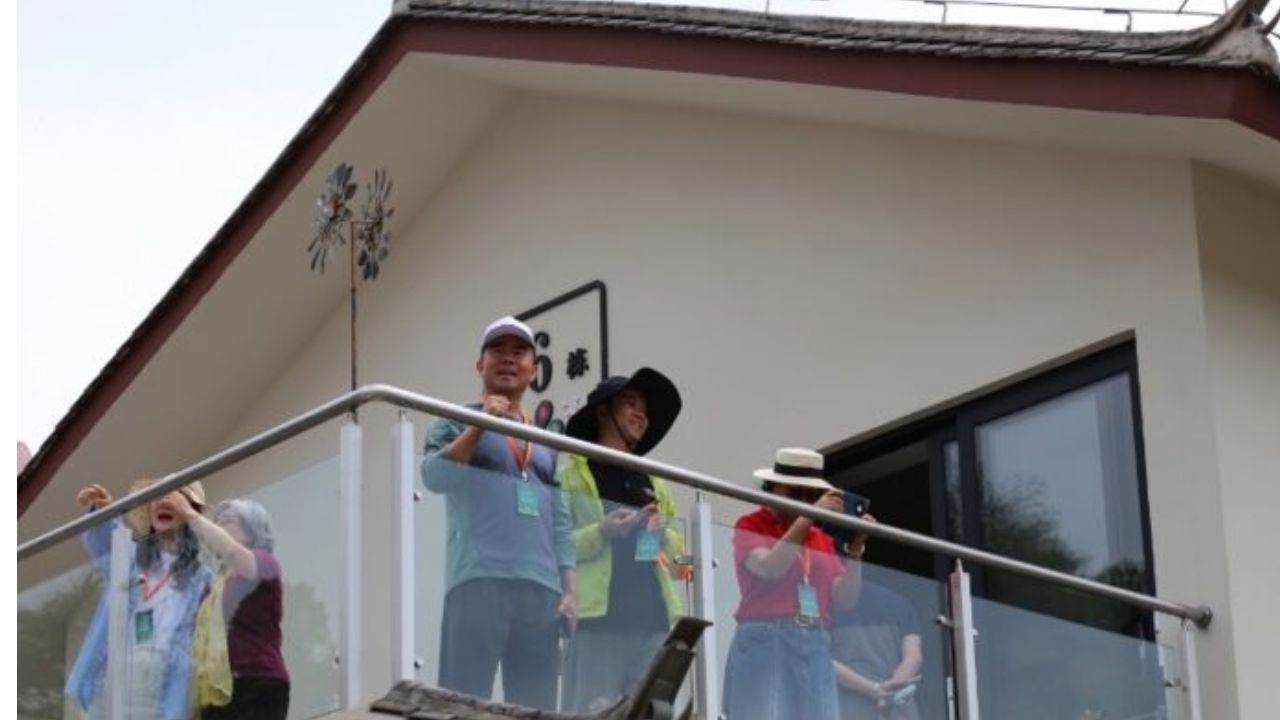

For local residents, the changes brought by rural tourism are reflected not only in the improvement of the village environment, but also in increased employment opportunities and income sources. Villagers have gradually shifted from traditional agricultural producers to guesthouse operators, service providers, cultural experience participants, and builders of rural tourism. Rural development has also moved from relying on outside support toward a model that places more emphasis on local participation and sustained operation.
During the visit, overseas Chinese-language media representatives noted that Laozhuaqing’s development is not simply a scenic-spot-style makeover, but rather an overall plan that incorporates the village’s original cultural texture, ecological environment, and residents’ daily lives. Traditional homes, Yi culture, Pu’er tea and coffee resources, and modern long-stay needs have created new connections here, turning the village into a space for visitors to stay, experience, exchange, and start projects.


From a “hollow village” to a “new land for long-stay living and entrepreneurship,” Laozhuaqing Cultural Long-Stay Village presents one practical path for rural revitalization in Pu’er. With ecology as its background, culture as its soul, and industry as its support, it has made the village not only a tourism destination, but also an open space that carries new lifestyles and new development opportunities. (LJI by Tony)