
TORONTO, April 27, 2026 – Amid the mountains of southwestern Yunnan, a land nourished by the Lancang River is telling a story of industry and culture that stretches across thousands of years, with tea as its thread. This is Fengqing County in Lincang, known as the “Hometown of Dianhong Tea.”
Fengqing has a long history and deep cultural roots. Human activity can be traced back to the Spring and Autumn and Warring States periods, and the area has long been an important meeting point of Central Plains culture and frontier culture. As a major cultural center in southwestern Yunnan, it is known not only for its rich historical heritage, but also for its tea. Fengqing is home to the Jinxiu Tea Ancestor, a cultivated ancient tea tree over 3,200 years old, widely regarded as the world’s oldest known cultivated tea tree and an important symbol of Chinese tea culture.

One Leaf Supporting a Hundred-Billion-Yuan Industry
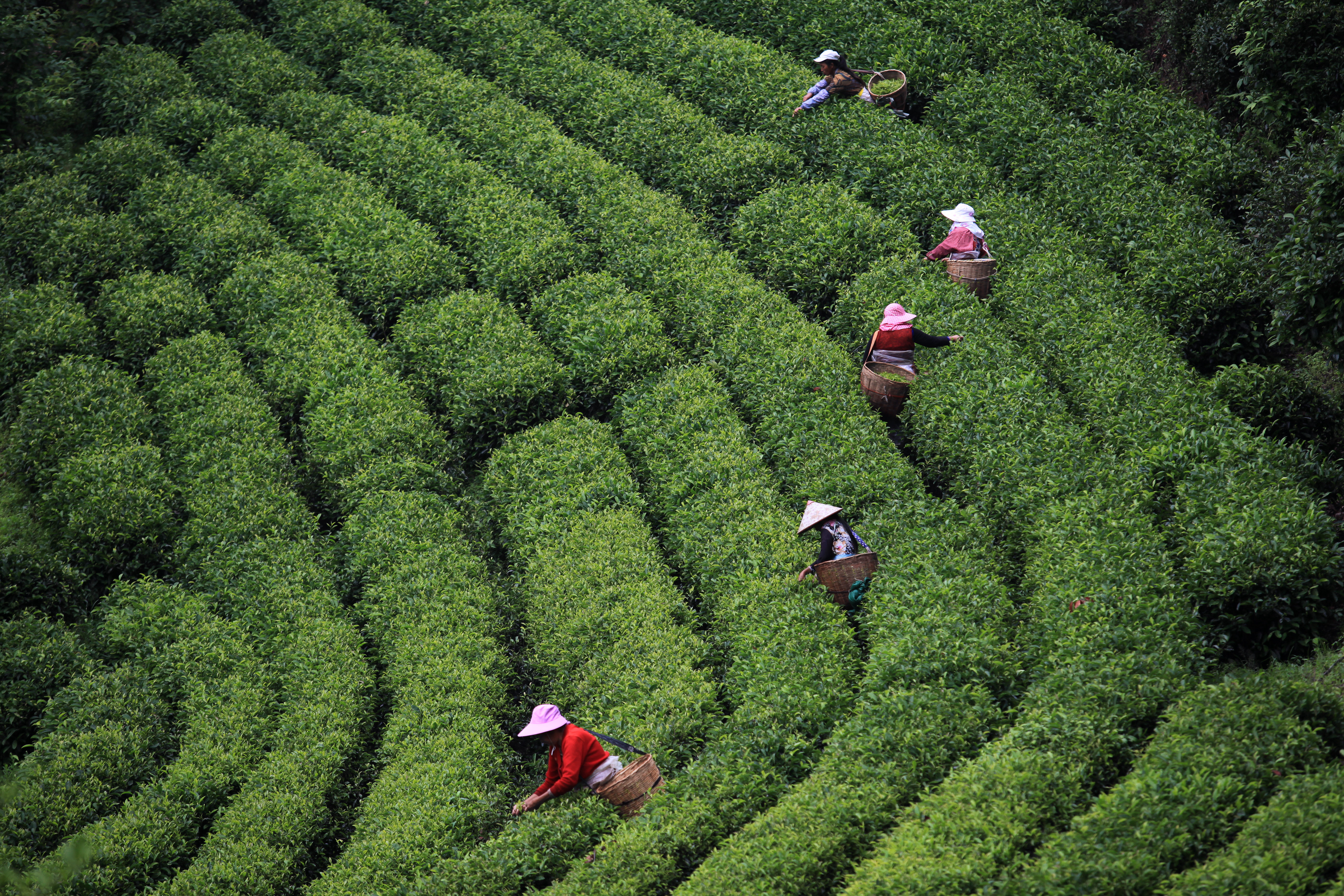
The tea industry is both Fengqing’s pillar industry and a key source of income for local residents. Relying on exceptional natural conditions and premium large-leaf tea resources, Fengqing has built a complete industrial chain covering cultivation, processing, and sales. By 2025, the county’s tea plantation area had remained above 510,000 mu, annual tea output had reached nearly 50,000 tons, and total industrial output value had exceeded 10 billion yuan.
Since 1938, when Feng Shaoqiu successfully produced the first batch of Dianhong black tea in Fengqing, this land has become one of the major starting points for Chinese black tea entering the global market. Dianhong tea is known for its deep red liquor, strong aroma, and mellow taste. It has long served as a state gift tea and has been exported to Europe, the United States, Southeast Asia, and other international markets. Today, Fengqing Dianhong Tea has become a nationally recognized geographical indication product, with rising brand value and a leading position among China’s black teas.
In the course of industrial development, Fengqing has continued to advance standardization, green production, and large-scale development. Through a model linking industry alliances, enterprises, cooperatives, and farming households, it has enabled coordinated development across the supply chain and allowed more than 70,000 tea-growing households to share in the benefits of the industry, making tea a major engine of rural revitalization.
From Tea Gardens to Long-Stay Living: Building Diverse Integrated New Industries
In recent years, Fengqing has used the integration of tea and tourism as a breakthrough point, extending traditional agriculture into cultural and tourism industries and building a development model of “promoting tourism through tea and revitalizing agriculture through tourism.”
Walking into Lushi Ancient Town, stone-paved streets and old caravan roads tell the story of the Tea Horse Road’s historical prosperity. In Anshi Village, the story of the “No. 1 Dianhong Village” blends with modern rural tourism. In Jinxiu Village, a “business-style long-stay” model has attracted tea merchants and visitors from across the country to stay for longer periods, forming a distinctive exchange ecosystem built around tea.
At the same time, new projects such as Daxing Hot Spring Resort and Yulong Island lure fishing base continue to emerge. Wellness tourism, ecological tourism, sports events, and other diversified industries are accelerating their integration, driving local employment and consumer spending and helping form a new county-wide tourism landscape.

Landscape as Foundation, Ecology as Strength
Fengqing is known not only for tea, but also for its strong ecological resources. The Lancang River flows through the county, its long lake waters shimmering for miles, while mountain forests and wetland resources create a distinctive ecological landscape. The county has remained committed to green development, vigorously promoting organic tea garden construction and ecological protection so that “clear waters and green mountains” can truly be transformed into “mountains of gold and silver.”
Fengqing is also at the forefront in the walnut industry. Known as the “Hometown of Walnuts in China,” the county has 1.72 million mu of walnut plantations, with annual output value exceeding 6 billion yuan. Together, tea and walnuts form a dual-engine industrial structure.
Advancing Toward the Goal of “China’s No. 1 Black Tea County”
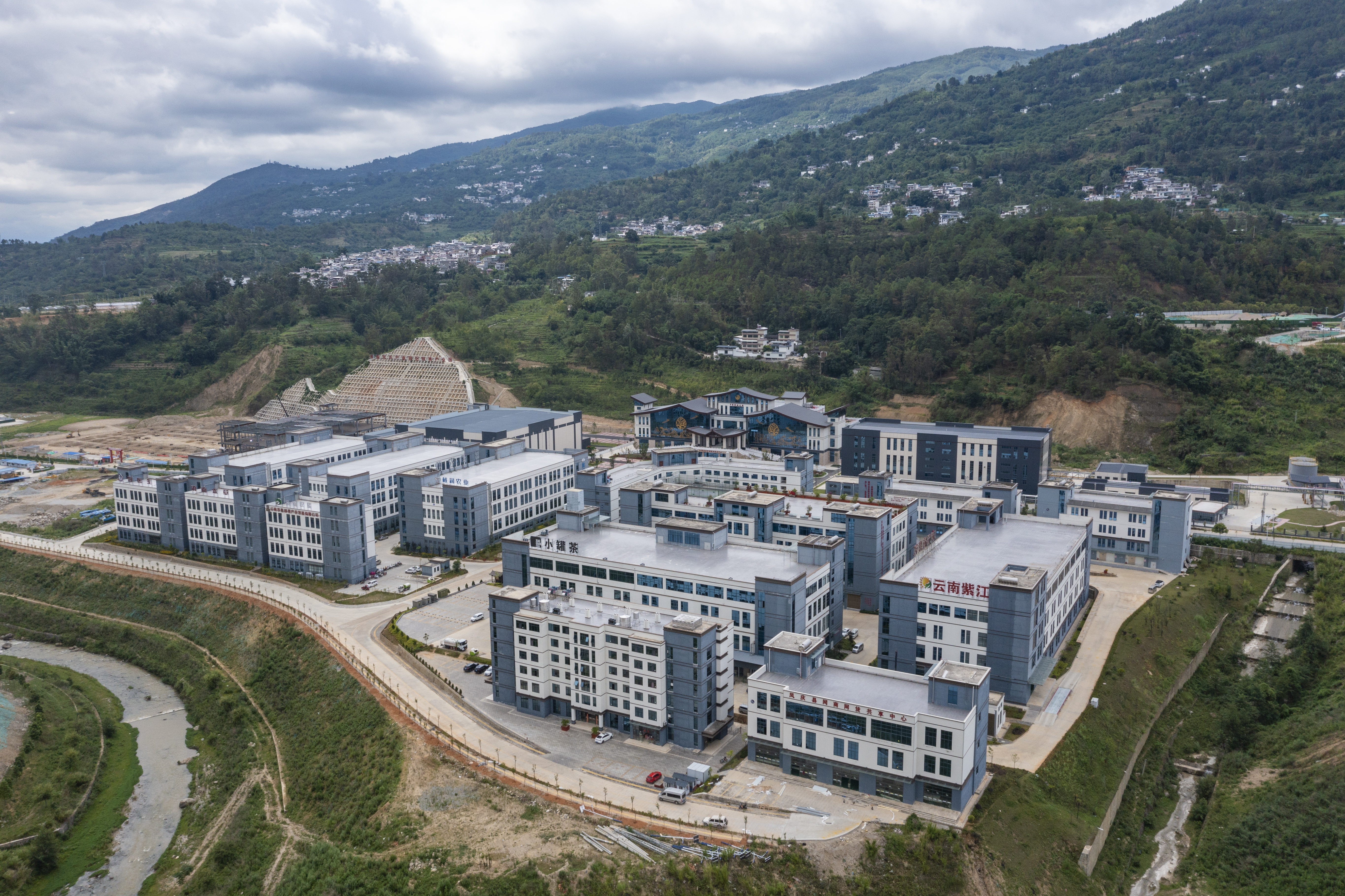
At present, Fengqing is continuing to pursue the goal of becoming “China’s No. 1 Black Tea County” through industrial upgrading and brand building. On one hand, it is using standardization and technology to improve product quality. On the other, it is expanding market channels through e-commerce platforms and brand promotion, bringing the “taste of Fengqing” to broader markets.
Looking ahead, as the tea industry, cultural tourism industry, and ecological economy become more deeply integrated, Fengqing is gradually forming a new pattern of high-quality development defined by strong industry, beautiful ecology, and prosperous people.
A single tea leaf connects thousands of years of history. A small county radiates the vitality of a new era. Between the fragrance of tea and the beauty of mountains and rivers, Fengqing is expressing in its own distinctive way the idea that “there is a kind of life called Yunnan.” (End)