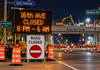

TORONTO, July 10, 2026 – The Toronto Transit Commission is piloting real-time information screens at selected bus stops, streetcar stops and outside some stations. TTC information shows that installation began in phases on May 21, and nearly all pilot locations now have screens in operation. The screens can display next vehicle arrival times, service alerts, route changes and temporary detour information, helping passengers decide before they travel whether they need to adjust their route.

The TTC says the pilot includes 75 real-time information screens, mainly located at high-demand bus stops, streetcar stops and outside selected stations. The project is part of the TTC Wayfinding Strategy and is intended to provide clearer and more timely transit information during the busy summer travel period. The TTC has also said demand for public transit information will increase this summer, including during Toronto’s hosting of World Cup-related matches.
For residents who use the TTC regularly, real-time stop information is not only a convenience feature. Bus and streetcar delays, temporary route changes, construction detours and unexpected service disruptions can affect commuting, school travel, medical appointments and child pick-up arrangements. For newcomers who are unfamiliar with TTC apps, seniors without smartphones, or passengers who read English more slowly, on-site information screens may reduce the need to repeatedly check a phone or ask others for updates.
The TTC says the pilot screens use ePaper technology, which is designed to be readable in both bright and low-light conditions and includes high-contrast display. Some screens also have text-to-speech capability to support passengers who rely on audio information. Because the devices can be powered by solar energy or batteries, they can also be installed at some stops without direct electrical access.
Passengers should note that this is still a pilot project, and screens will not be installed at every stop. The TTC says locations are selected based on several factors, including ridership levels, testing environments and performance under different conditions. If residents see equipment at a stop but no information is displayed yet, the installation may be complete but not yet activated, or the device may still be in the testing stage.
For residents in North York, Scarborough, downtown Toronto and other areas that rely on bus connections to the subway, the effectiveness of the real-time information screens will depend on accuracy, update speed and maintenance. If screen information is unclear, incorrect or not working, passengers can contact TTC customer service and provide the stop intersection, date and time to help with follow-up.
The TTC says the pilot will run for at least six months before the agency decides on next steps based on device performance and passenger feedback. For residents who rely on public transit, more real-time information at stops may help improve the travel experience. Whether it can truly reduce uncertainty during daily trips will depend on data stability and routine maintenance during the pilot period.(LJI by Yuanyuan)