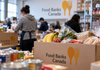

TORONTO, June 16, 2026 – The Canadian government said on June 16 that the National School Food Program is moving forward across provinces and territories. Federal information shows that provinces and territories have completed action plans for the 2025–2026 and 2026–2027 school years, and federal funding for related provincial and territorial agreements has increased to $140 million per year. The government said school food programs are now being offered in more than 10,000 provincially and territorially operated schools across Canada, representing about 80 per cent of those schools. The program is expected to provide additional meal support to up to 400,000 children each year.

Now that the school food program has become permanent, many families are less concerned with the policy name than with whether their child’s school offers it, how to participate and whether registration is required. Federal background information shows that the National School Food Program Act has passed and become law. Budget 2025 proposes $216.6 million per year starting in 2029–2030 to make the program long-term. The federal government had previously committed $1 billion to work with provinces, territories and Indigenous partners to expand school meal programs.
As the cost of living rises, whether children can receive breakfast, lunch or snack support at school directly affects the daily expenses of many households. Newcomer families, low-income families, single-parent households and parents new to Canada’s education system often do not know where to access school meal programs. Some programs may be arranged school-wide, while others may require parents to register. Some provide breakfast, others provide snacks, and some schools may use take-away or needs-based participation models.
Parents should note that a national program does not mean every school will immediately provide the same meals. Specific implementation will still be decided by provinces, school boards and individual schools. Menus, times, locations, registration methods and covered grades may all vary. Federal policy emphasizes accessibility, stigma-free access, healthy eating, local food systems and cultural adaptation, but parents still need to confirm with schools whether children can receive halal, vegetarian, nut-free, dairy-free or other dietary accommodations.
Some families may hesitate to ask because they worry about being labelled. The school food program is intended to allow students to access meal support more naturally, rather than placing extra pressure on families. If a child has allergies, religious dietary needs or cultural food needs, parents should inform the school as early as possible, instead of waiting until after the school year begins to find out that the menu may not be suitable.
Parents can check school emails, school board websites and student handbooks around the start of the new school year. They can also ask the school office, teachers or settlement workers directly whether breakfast, lunch or snack programs are available. If English notices are difficult to understand, parents should not rely only on children to explain them verbally. It is better to ask community organizations, family members or school staff for help confirming the details. For newcomer families, actually benefiting from this policy often begins with understanding school notices and submitting forms on time.(LJI by Yuanyuan)