

TORONTO, October 14, 2026 – Toronto food rescue organization Second Harvest had vehicle parts stolen over the Thanksgiving long weekend. Catalytic converters were removed from seven trucks used to deliver food, temporarily taking more than half of its delivery fleet out of service.
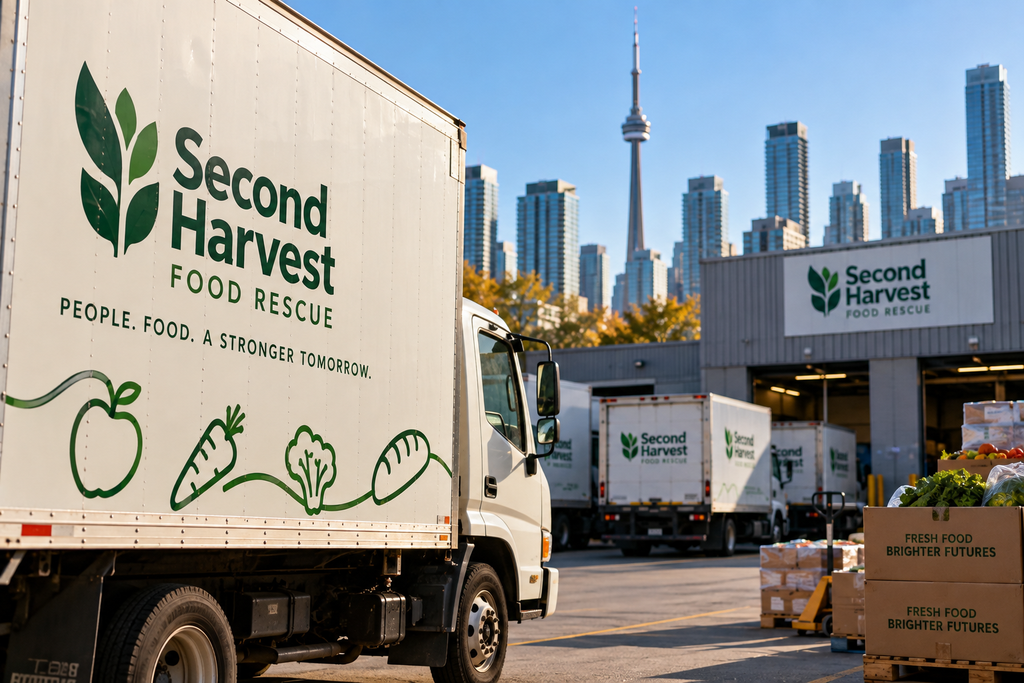
Second Harvest said the incident happened in the early morning of October 11. Someone cut through the perimeter fence of its Etobicoke parking lot to enter the site, then removed the catalytic converters from seven trucks. The organization estimates vehicle repairs and related losses at about $80,000.
The trucks are used every day to collect still-edible food from businesses and food supply channels before delivering it to food banks, shelters and other community agencies. Second Harvest currently provides food to more than 300 service locations in Toronto and surrounding areas.
After seven vehicles were damaged at the same time, the organization had to temporarily adjust its delivery arrangements. Second Harvest CEO Lori Nikkel said that with food demand already high, the loss of vehicles adds pressure to deliveries, while funds originally intended for food rescue now have to be used for repairs.
Catalytic converters contain precious metals such as platinum and palladium, making them a common target for vehicle parts theft. For Second Harvest, the loss affects not only repair costs but also daily food transportation.
Toronto police are investigating.
Second Harvest is also fundraising from the public in hopes of repairing the vehicles as soon as possible and restoring normal fleet operations.
(LJI by Yuanyuan)