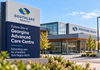

TORONTO, May 21, 2026 – The Canadian Nuclear Safety Commission issued a notice on May 20 saying it will hold a public meeting on May 27 and 28 in Peterborough to hear a mid-term update from BWXT Nuclear Energy Canada on licensed activities at its Toronto and Peterborough facilities. The update covers the first five years of the two facilities’ 10-year licence period, and CNSC staff will also submit an assessment of the licensee’s performance. For residents living near the related Toronto facility, families with children or seniors, and newcomers unfamiliar with nuclear regulation, this type of meeting is not an emergency risk notice, but it does provide a formal channel to review safety performance, environmental monitoring and compliance information.

The public meeting will begin at 9 a.m. on May 27 and 28 at the Holiday Inn Peterborough Waterfront in Peterborough. Residents may attend in person or online. According to CNSC information, BWXT’s Toronto and Peterborough facilities hold 10-year licences, and this meeting is a mid-term update focused on reviewing the first five years of licensed activities. It is not a licence renewal hearing or a response to a sudden incident.
For ordinary residents, the words “nuclear facility” can easily raise concern. But the issues reviewed at regulatory meetings are usually more specific, including facility operations, safety performance, environmental protection, compliance and regulator assessments. Two misunderstandings should be avoided: assuming that a public meeting means a safety incident has occurred, or ignoring nearby facility oversight completely because technical documents are difficult to understand.
The CNSC has published a document download page for the May 27 and 28 meeting, including the agenda, staff materials, BWXT presentation materials, and submissions from the public and organizations. For residents who want to understand the situation, the most direct approach is to review the meeting materials and focus on environmental protection, safety performance, regulatory conclusions and public submissions, rather than relying only on social media summaries.
The meeting also provides an entry point for public awareness. Residents can save the meeting dates, review public documents and online participation options, and follow meeting records and future commission updates. Families with children or seniors, or those with questions about air, water, transportation or facility safety, can organize their concerns into specific topics, such as monitoring data, unusual event reports, regulatory actions, facility emissions and emergency arrangements, and then seek information through official channels.
It is important to note that a mid-term update does not mean the regulator has made a new licensing decision, nor does it mean the facility has created a public safety risk. The CNSC’s page for the Peterborough facility shows that the commission publishes facility-related meetings, hearings and regulatory information. The page also lists recent regulatory action information for public review. Residents should rely on regulator documents and meeting records, and avoid misreading a public review process as an emergency alert.
For newcomer families living near the related Toronto facility, the practical value of this information is learning how to use public regulatory materials. Residents unfamiliar with English-language documents can ask family members, community organizations or professionals to help review the meeting agenda and regulatory summaries. Paying attention to nuclear facility operations does not require panic, and residents should not wait until something happens to understand the system. Using public meetings to learn about environmental monitoring and safety performance is a more practical way for residents to participate in public oversight.(LJI by Yuanyuan)