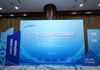

TORONTO, May 11, 2026 – The Canadian Buddhist Academy held its third annual open house on May 9 at Great Compassion Wutai Mountain in Kawartha Lakes, Ontario, and also hosted the unveiling ceremony for a new Buddhist Studies Continuing Education Base established in partnership with Emmanuel College of Victoria University in the University of Toronto. The event drew about 150 to 200 monastic and lay participants, educators, community guests, and political representatives. For community members interested in Buddhist education, mindfulness practice, psycho-spiritual care, and cross-cultural learning, the event highlighted new progress in cooperation between Buddhist education and Canadian higher education institutions.

The program began at 11 a.m. and included opening remarks, a land acknowledgement, guest introductions, course presentations, alumni sharing, and the unveiling ceremony. Venerable Da Yi, Chair of the Canadian Buddhist Academy Board and Abbot of Great Compassion Wutai Mountain, said in his remarks that the academy was founded with the mission of “continuing the wisdom-life of the Buddha and cultivating internationally minded Buddhist人才,” with the school motto “Illuminating the Mind, Awakening the World” at its core, while advancing Buddhist education rooted in tradition and responsive to the needs of contemporary society.

Venerable Da Yi said the academy will continue promoting the transmission of the Dharma and encouraging exchange and integration among Theravāda, Mahāyāna, and Tibetan Buddhist traditions. He also emphasized balancing understanding and practice, so that Buddhist learning does not remain only at the level of knowledge, but also enters daily life.

Rev. Dr. HyeRan Kim-Cragg, Principal of Emmanuel College at Victoria University in the University of Toronto, said in her remarks that the two institutions’ collaborative Buddhist continuing education program, Umbrella of Compassion, has trained 44 students over the past two years, and that three of those students have gone on to pursue graduate studies at Emmanuel College. She said Great Compassion Wutai Mountain, with its natural surroundings, religious culture, and retreat setting, provides students with a place of learning that is both spiritually and ecologically meaningful.

Kawartha Lakes Mayor Doug Elmslie also attended and delivered remarks. He said Great Compassion Wutai Mountain has long contributed to the local community through peace-building, cultural exchange, and spiritual development, and has become a significant local cultural and spiritual landmark.

During the course introduction segment, several professors presented the Canadian Buddhist Academy’s 2026 curriculum directions. Topics include Chinese Buddhist ritual practice, Buddhist mindfulness meditation and secular mindfulness practice, Buddhism and psychotherapy, Buddhist perspectives on death and dying, and Buddhist material and visual culture. The curriculum combines Buddhist tradition with psychotherapy, mindfulness training, end-of-life care, visual culture, and contemporary social issues, showing how Buddhist education is extending beyond monastic study into the fields of mental health, spiritual care, and public life.


During the open house, alumni representatives from previous cohorts shared their learning experiences. Some said the program helped them understand the relationship between Buddhist teachings and modern society, and encouraged them to reflect on how compassion, listening, emotional regulation, and inner resilience can be brought into daily life and service work. Others said the courses inspired them to continue into graduate studies related to psycho-spiritual care, with the goal of serving the community in a more professional way.


Another major event that day was the official unveiling of Emmanuel College’s Buddhist Studies Continuing Education Base at Great Compassion Wutai Mountain. At the same time, the Venerable Da Yi Buddhist Spiritual Care Professorship was also established at the University of Toronto. Organizers said this marks a new stage of collaboration in Canadian Buddhist education, spiritual care, and psycho-spiritual therapy, and offers a new model for cooperation between Buddhist education and Western higher education institutions.

For ordinary community residents, the significance of these courses and partnerships goes beyond religion alone. They also touch on mental health, life education, end-of-life care, and cross-cultural understanding. Residents interested in participating in future courses will still need to confirm the target audience, language of instruction, tuition, class schedule, certificate arrangements, and possible pathways for further study.
This open house and unveiling ceremony reflected a growing connection among Buddhist culture, mental health, mindfulness practice, and higher education. As community demand for spiritual well-being and cross-cultural learning continues to grow, how the Canadian Buddhist Academy and Emmanuel College will translate academic programming into sustainable community learning and care resources remains something worth following.

(LJI by Yuanyuan)